How to protect your roof from storm damage?
Cursus tincidunt tempor aliquam mattis et mi fames at id venenatis massa at egestas egestas dignissim nisl, in ipsum sed consequat in viverra.

Start with the weak points storms actually hit
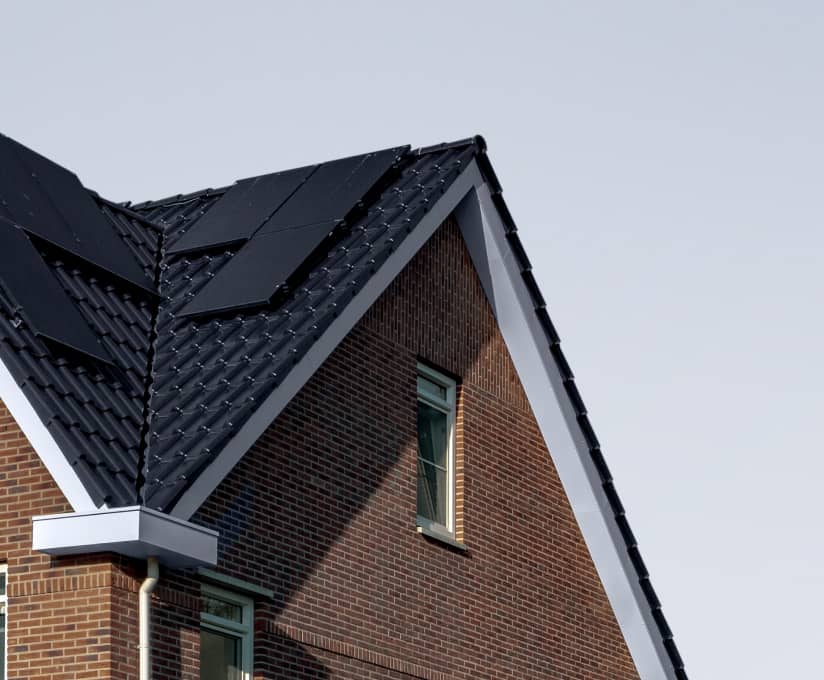
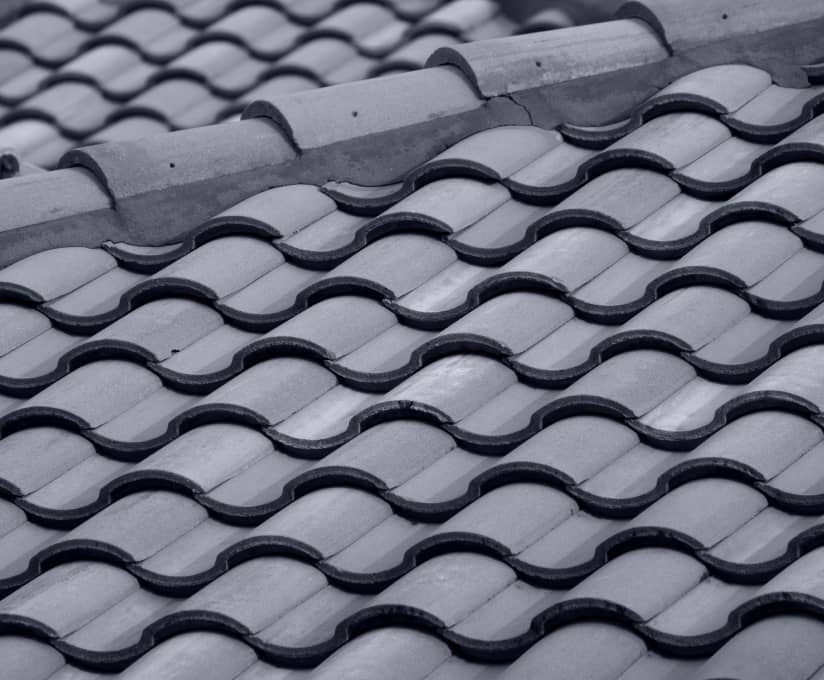
Wind does not lift a healthy roof all at once. It finds a loose shingle, a dry ridge vent, or a flashing joint and peels from there. Walk the perimeter after every named storm, even if the interior still looks dry. Look for granules in the gutters, lifted tabs, and metal flashing that has opened a gap at chimneys, skylights, and wall intersections.
- Photograph every slope before hurricane season so you can prove what changed.
- Clear gutters and downspouts so water cannot back up under the eaves.
- Trim limbs that can rub or puncture the covering in a gust.
- Check attic soffits for daylight at the fascia — that is a wind-entry path.

Fasteners, underlayment, and drip edge
A storm-ready roof is a system. Shingles or panels need the nail pattern the manufacturer specifies for your wind zone, not a “that looks tight” pattern. Synthetic underlayment that is sealed at laps beats felt that tears when a tab flies. Drip edge at eaves and rakes keeps wind-driven rain from wicking into the deck. If your home predates current wind codes, a reroof is the moment to bring those layers up to spec rather than nailing new covering over a weak deck.
What to do in the first 24 hours after a storm
If you see active leaking, catch water in the attic and punch a small hole in a bulging ceiling only if it is about to collapse — then call a licensed roofer. Temporary tarps belong on the exterior, weighted and tied so they do not become sails. Keep wet insulation; a claims adjuster may need to see it. Do not wait weeks: secondary damage from a slow leak costs more than the original wind hit.
“A roof that survives a storm is usually the one that was detailed at the edges, not the one with the thickest shingle.”
Prevention that actually pays
Schedule a professional inspection every spring in hurricane and hail country. Ask for photos of flashing, pipe boots, and the ridge. Replace cracked boots before the rainy season. If you are already planning a replacement, choose a covering with a documented wind rating for your zip code and have the installer register the warranty. Protection is a habit, not a product you buy once.

Congue commodo in lacinia sagittis mi id justo, tristique elit neque quis tortor non facilisis risus scelerisque aliquet.